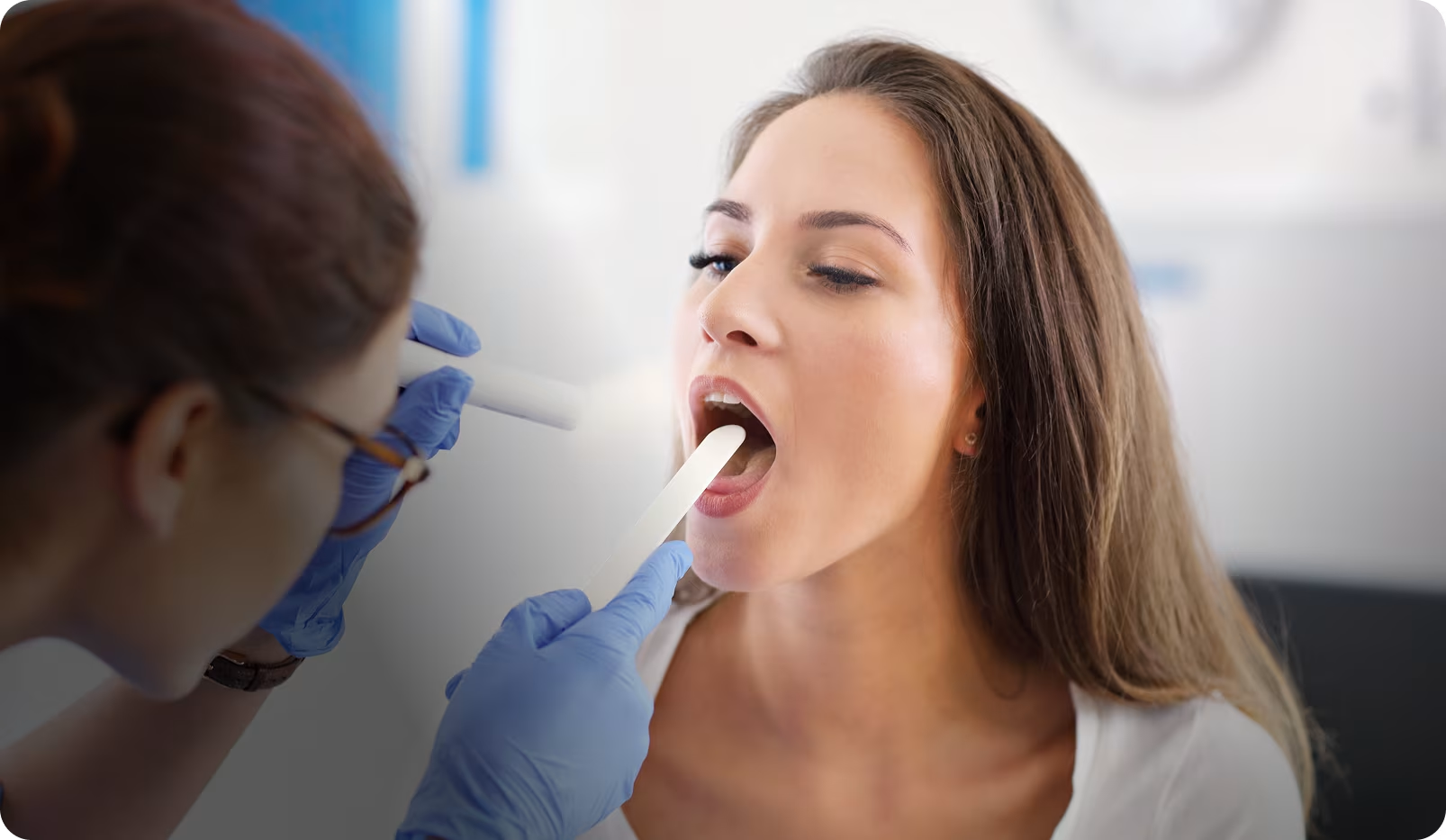
Oral Cancer Screening
At Holmes Dental, we provide comprehensive oral cancer screenings in Fort Collins, CO as part of our commitment to your long-term health. Early detection is critical when it comes to oral cancer, and routine screenings allow us to identify concerns at their earliest, most treatable stages.

1000+ Clients
Praised by patients for creating comfortable visits and long-term relationships built on trust.
4.9

Associations and Memberships
Oral cancer affects the tissues of the mouth and throat. While it can occur in anyone, certain risk factors increase the likelihood of developing it, including:
- Tobacco use
- Alcohol consumption
- HPV infection
- Excessive sun exposure (especially lips)
- Family history of oral cancer
Because symptoms may not always be painful or obvious in early stages, regular screenings are essential. Possible warning signs include:
- Persistent mouth sores
- Red or white patches
- Difficulty swallowing
- Unexplained oral bleeding
- Lumps, thickening, or unusual changes in oral tissues

Why Regular Screenings Matter?
Early detection significantly improves treatment outcomes. Oral cancer screenings are a simple but powerful preventive step.

Early Identification
Identifying abnormalities early allows for more effective treatment and better outcomes.

Peace Of Mind
Routine screenings offer reassurance that your oral health is being monitored.

Preventive Guidance
If risk factors are identified, we can recommend strategies to reduce progression risk.
01
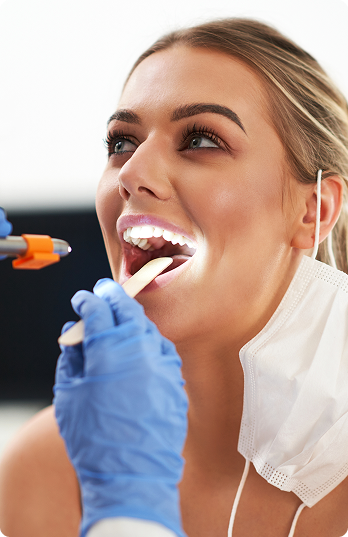
Visual Examination
We examine your lips, tongue, cheeks, gums, throat, and surrounding tissues for abnormalities.

02
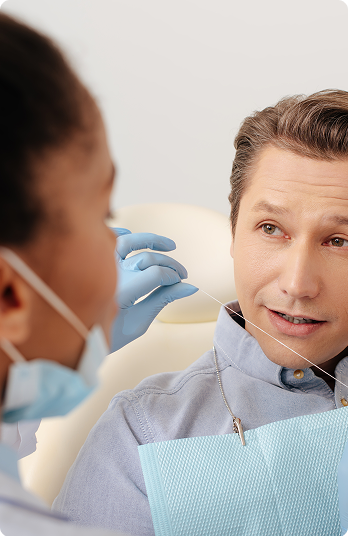
Patient Education
We take time to explain findings, discuss risk factors, and answer your questions so you feel informed and confident.
01
Visual Examination
We examine your lips, tongue, cheeks, gums, throat, and surrounding tissues for abnormalities.
02
Patient Education
We take time to explain findings, discuss risk factors, and answer your questions so you feel informed and confident.
How Often Should You Be Screened?
For most patients, we recommend an oral cancer screening at least once per year.However, screening frequency may vary depending on:
- Personal risk factors
- Medical history
- Lifestyle habits
During your visit, we assess your individual risk and recommend a screening schedule tailored to you.
Preventative Dentistry
Preventive dentistry keeps your teeth and gums healthy with regular care. Being proactive helps avoid discomfort and future treatments, ensuring a strong, confident smile!

Frequently Asked Questions
Have questions about treatments, scheduling, or what to expect during your visit? Browse our frequently asked questions to learn more about our services and how we care for your smile.
Is an oral cancer screening painful?
No. The screening is quick, non-invasive, and completely comfortable.
Who should get an oral cancer screening?
All adults should receive routine screenings, especially those with known risk factors.
All adults should receive routine screenings, especially those with known risk factors.
If we identify an area of concern, we will discuss next steps, which may include further testing or referral to a specialist.